Compare Local Contractors for Insulated Siding Installation Projects
Compare local contractors for insulated siding installation to clarify scope, verify experience, and establish clear expectations for a successful project.
Insulated siding installation involves attaching specialized siding materials that incorporate foam insulation to the exterior of a property. This work typically includes preparing the existing surface, measuring and cutting insulation panels or boards, and securely fastening the siding to ensure durability and energy efficiency. Contractors may also handle related tasks such as removing old siding, making necessary repairs to the underlying structure, and applying finishing touches to achieve a clean, finished appearance. Understanding the scope of these services helps property owners ensure that all necessary steps are included and that the installation meets the desired quality standards.
Clearly defining the scope of insulated siding projects is essential for setting expectations and avoiding misunderstandings. A detailed scope outlines exactly what work will be performed, including the type of siding material, insulation thickness, preparation procedures, and any additional services like trim or sealing. Having this information in writing provides a reference point for both property owners and contractors, facilitating transparent communication and accountability. It also helps property owners identify potential gaps or extra costs early in the process, contributing to a smoother project experience.
When comparing local contractors for insulated siding installation, property owners should consider experience with similar projects, reputation within the community, and the thoroughness of their proposals. Verifying that contractors have a history of quality work and understanding of local building codes can be valuable. It’s also beneficial to review multiple proposals to see how each contractor defines the scope of work and to ensure that all aspects of the project are addressed consistently. By focusing on these practical factors, property owners can make informed decisions and select service providers who are well-equipped to meet their specific needs.
Compare local contractors by outlining priorities, verifying experience, and clearly defining project scope and expectations in writing.
- Compare Contractor Qualifications - review experience and credentials to identify qualified service providers.
- Define Project Scope Clearly - establish detailed work requirements to set accurate expectations.
- Verify Service Provider Experience - check references or past work to ensure reliable installation expertise.
- Document Agreements in Writing - ensure all project details and expectations are confirmed through written agreements.
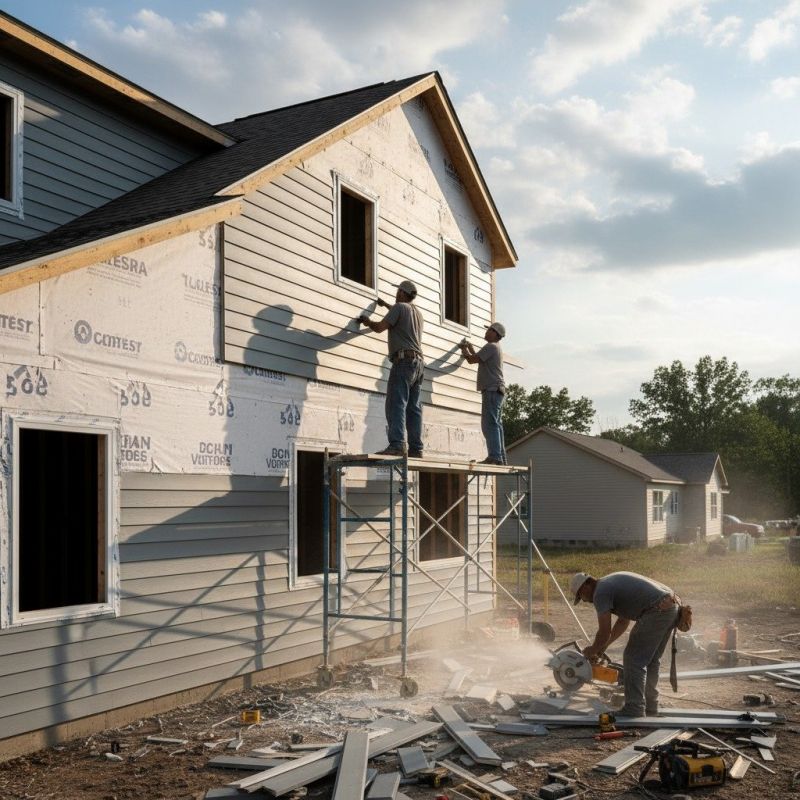
Clearly describe your insulated siding project to effectively compare local contractors, verify experience, and set expectations in writing.
- Verify experience with insulated siding installation to ensure contractors are knowledgeable about proper techniques and materials. - Confirm that scope of work is clearly defined and documented in writing before work begins.
- Assess the contractor’s understanding of building codes and manufacturer guidelines related to insulated siding. - Ensure that the chosen service providers have a history of completing similar projects successfully.
- Check references or reviews to gauge the quality of past insulated siding installations performed by local contractors. - Clarify warranty coverage and what it includes to set appropriate expectations for post-installation support.
- Discuss the installation process in detail to understand the steps involved and any potential disruptions. - Make sure the scope of work, materials, and responsibilities are agreed upon and documented in a contract.
- Compare multiple local contractors to evaluate their experience, communication, and approach to insulated siding projects. - Prioritize transparency and thoroughness in all project discussions to facilitate informed decision-making.
Compare local contractors’ experience and clarify project scope to ensure a successful insulated siding installation.
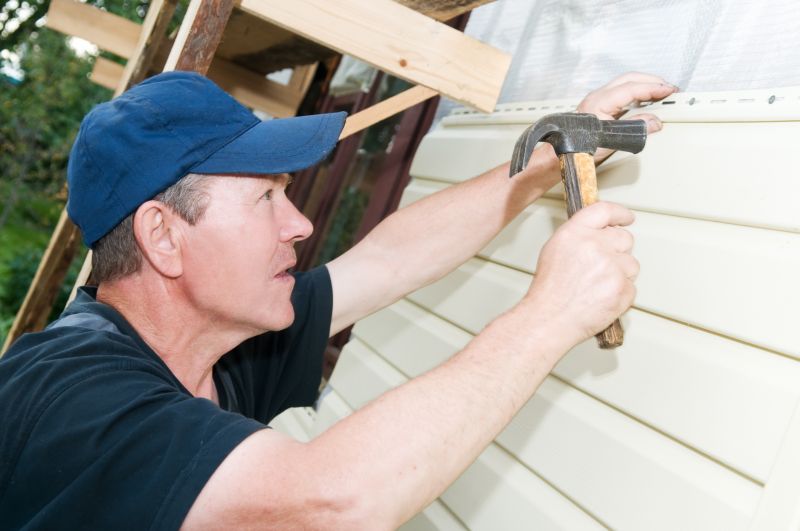

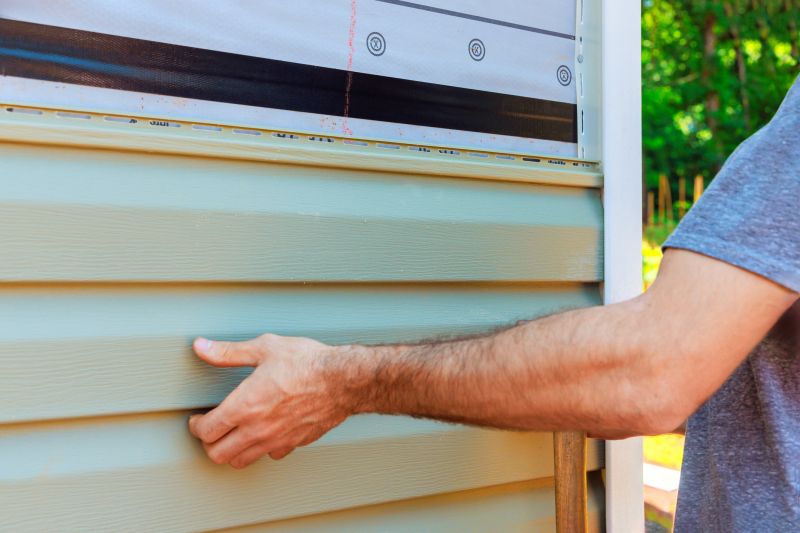
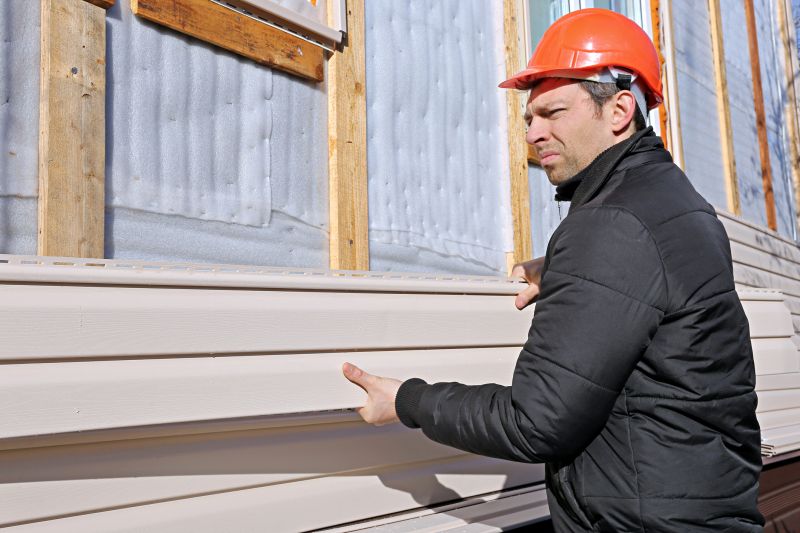
Use consistent comparison criteria to evaluate local contractors’ experience, scope definitions, and written expectations for insulated siding installation.
- Scope Definition - Clearly outline the specific tasks and materials involved in the insulated siding installation project.
- Experience Verification - Confirm that local contractors have relevant experience with insulated siding systems and similar projects.
- Material Specifications - Specify the types, brands, and insulation levels of siding materials to be used.
- Installation Standards - Establish the expected installation procedures and quality benchmarks for the siding work.
- Written Agreement - Ensure all project details, scope, and expectations are documented in a comprehensive written contract.
When evaluating contractors for insulated siding installation, it is important to consider their experience with similar projects. Homeowners should seek out service providers who have a proven track record of working on homes comparable in size, style, and construction type. Asking for details about past work can help clarify whether a contractor has the relevant expertise and familiarity with the specific requirements of insulated siding, including any challenges that might arise during installation. A contractor’s history with comparable projects can provide insight into their ability to execute the work effectively and meet expectations.
A clearly written scope of work is essential for establishing mutual understanding and setting expectations. Homeowners should look for contractors who provide detailed descriptions of the work to be performed, including the materials to be used, the installation process, and any preparatory or finishing steps. This written scope helps prevent misunderstandings and ensures that both parties are aligned on what the project entails. When reviewing proposals or estimates, it’s beneficial to compare how thoroughly each contractor defines the scope to identify those who prioritize clarity and transparency.
Verification basics involve confirming that the contractor’s qualifications and experience align with the project’s needs. Homeowners should inquire about the contractor’s familiarity with insulated siding systems, including specific product types and installation techniques. Requesting references or examples of completed projects can serve as verification of their capabilities. Additionally, verifying that the contractor adheres to industry best practices and standards can help ensure the work will be performed properly, reducing the risk of issues later on. A thorough vetting process helps identify service providers who are knowledgeable and capable of handling the job.
Evaluating options without focusing on prices involves assessing the quality of proposals, the level of detail in their scope, and the contractor’s experience. It’s useful to compare how each service provider communicates their approach, the materials they recommend, and their understanding of the project’s requirements. Asking questions about their process and requesting clarification on any ambiguities can further inform decision-making. By concentrating on the professionalism, clarity, and experience demonstrated in their proposals, homeowners can select service providers who are well-equipped to deliver a successful insulated siding installation.
Ask contractors to provide written scope details to ensure clear expectations and consistent project understanding.
- Experience with Insulated Siding - What relevant experience do local contractors have with insulated siding installation?
- Scope of Work - How will the scope of the project be defined and documented in writing?
- Material and Product Details - What types of insulated siding and related materials do service providers recommend?
- Installation Methods - How do local contractors plan to handle the installation process to ensure quality and durability?
- Warranty and Guarantees - What warranties or guarantees do the service providers offer for their insulated siding work?
What should I consider when choosing a contractor for insulated siding installation? It's important to evaluate the contractor's experience with similar projects, verify their reputation through references or reviews, and ensure that the scope of work is clearly defined and documented in writing.
How can I compare different contractors for insulated siding installation? Comparing contractors involves reviewing their portfolios, checking for consistent quality of work, understanding their process, and ensuring they provide detailed written estimates that outline the scope and expectations.
Why is it important to have the scope of work in writing? Having the scope in writing helps prevent misunderstandings, sets clear expectations, and provides a reference point for both parties throughout the project.
What questions should I ask a contractor before hiring for insulated siding installation? Ask about their experience with similar projects, request references, inquire about their process, and clarify what is included in the scope of work to ensure alignment.
How can I verify a contractor’s experience with insulated siding installation? You can review their previous work, ask for references from past clients, and request examples of completed projects similar to your needs.
What are some key factors to review in a contractor’s written estimate? Ensure the estimate clearly details the scope of work, materials to be used, project milestones, and any warranties or guarantees offered to set proper expectations.
Understanding the key aspects of insulated siding installation can help in making well-informed decisions. Visitors learned how to clearly define the scope of work, verify the experience of local contractors, and set clear expectations in writing. These steps ensure a smoother process when comparing different service providers and selecting the right team for the project.
To find the best match for insulated siding installation, using the quote form to compare local contractors is recommended. This allows for a straightforward way to explore options, gather information, and connect with service providers who can handle the job. Taking these steps can help in making confident choices aligned with individual project needs.